



AIKON Article Details | AIKON
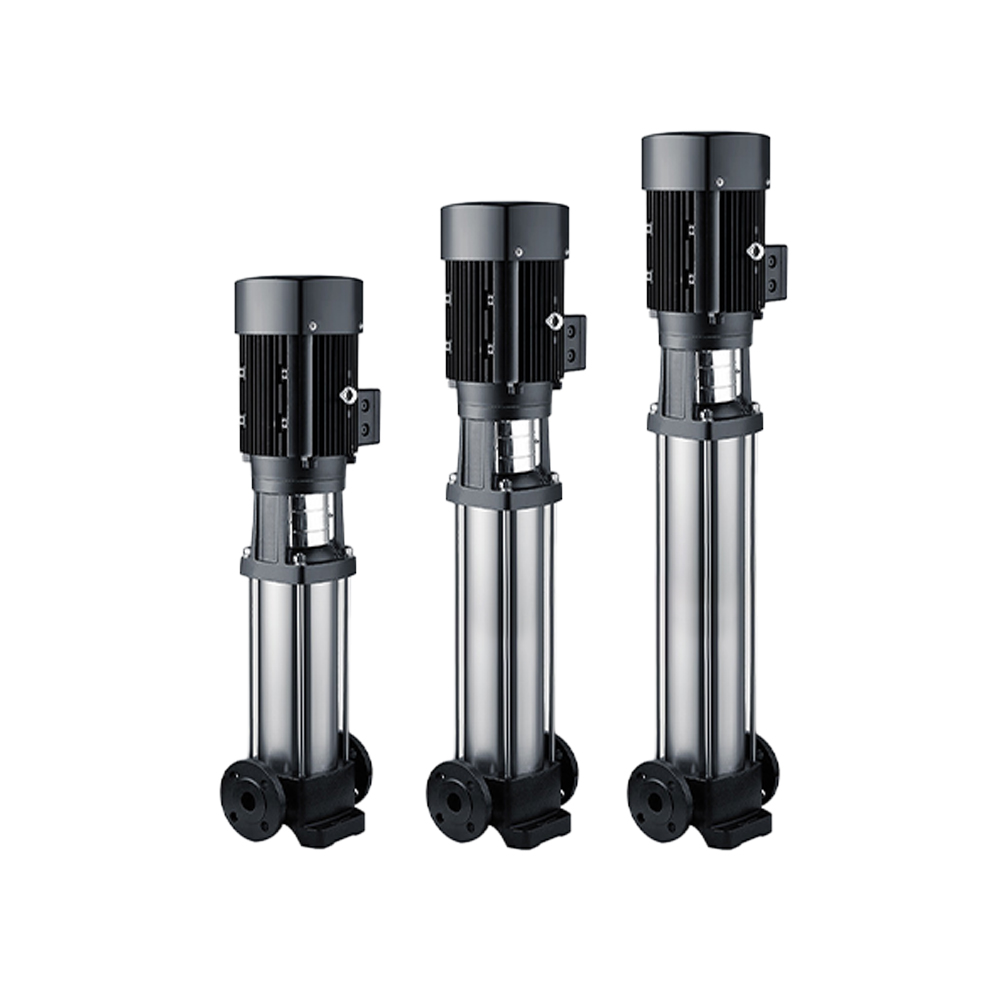
Selection of Flange Connection Types for CDL(F) Vertical Pumps
2025-01-10 16:09:49
In CDL(F) vertical pumps, flange connections typically come in two forms: fixed flanges and active flanges. How can one better choose between these flange connections?
Fixed Flange Connections
Fixed flange connections are typically made by direct welding. This connection method has the following advantages:
Simple and Robust Structure: Relatively simple design, easy to manufacture.
Cost-Effective: Lower cost compared to active flanges.
Good Stability and Sealing: Provides good sealing performance, reducing the risk of leakage.
However, when installing fixed flanges, the screw holes must be precisely aligned, making the installation process more troublesome and less convenient for frequent disassembly and maintenance.
Active Flange Connections
Active flange connections have a flange plate that fits over a flange edge, allowing the flange to freely rotate along the pipeline. Its advantages include:
Easy Installation: Screws can be inserted one by one during installation, with relatively simple operations.
High Flexibility: Allows the flange to freely rotate on the pipeline, facilitating adjustment and disassembly.
Reserved Axial Movement Allowance: Very convenient for disassembly and assembly.
Compared to fixed flanges, active flanges have poorer sealing performance, and their design may require additional processes, potentially increasing costs, and are typically used more in low-pressure environments.
Commonalities in PN, DN, and Outer Dimensions
It is worth noting that, in CDL pumps, fixed flanges and active flanges of the same specification have the same PN (nominal pressure), DN (nominal diameter), and outer dimensions. This means that when selecting flanges, users can choose based on actual usage conditions and maintenance needs without worrying about pressure, flow, or dimensional constraints.
Selection Recommendations
Based on the actual usage of the pump, manufacturers have produced active flanges according to PN25 and PN40 standards and have improved the process. Currently, there is little price difference compared to fixed flanges. In general usage scenarios, considering installation aspects, it is recommended to choose active flanges.