



AIKON Article Details | AIKON
Differences between Mechanical Seals and Packing Seals for Pumps
2025-01-17 16:19:03
During the operation of a pump, the sealing device plays a crucial role as it can effectively prevent the leakage of the medium and ensure the stable operation of the pump. Common sealing methods for pumps include mechanical seals and packing seals, and there are significant differences between these two sealing methods in several aspects.
I. Working Principle
(I) Mechanical Seal
A mechanical seal is a device that achieves sealing by relying on the preload of the elastic element on the dynamic and static ring end face sealing pairs and the compression of the medium pressure and the elastic element pressure. It forms a relatively stationary sealing surface between the rotating shaft and the stationary pump casing and uses the liquid film between the sealing surfaces to prevent the leakage of the medium. For example, in a multistage centrifugal pump, the mechanical seal is installed at the position where the pump shaft passes through the pump body. When the pump is in operation, the dynamic ring rotates with the shaft, and the static ring is fixed on the pump body. The dynamic and static rings are closely fitted to form a seal.
(II) Packing Seal
The packing seal achieves sealing by filling soft packing in the gap between the shaft and the pump casing. The packing is deformed by the compression force of the gland to block the gap. For example, in some small clean water pumps, packing materials such as asbestos and rubber are wrapped around the pump shaft and then compressed by the gland. Under the action of the compression force, the packing closely contacts the pump shaft to prevent liquid leakage.
II. Structural Composition
(I) Mechanical Seal
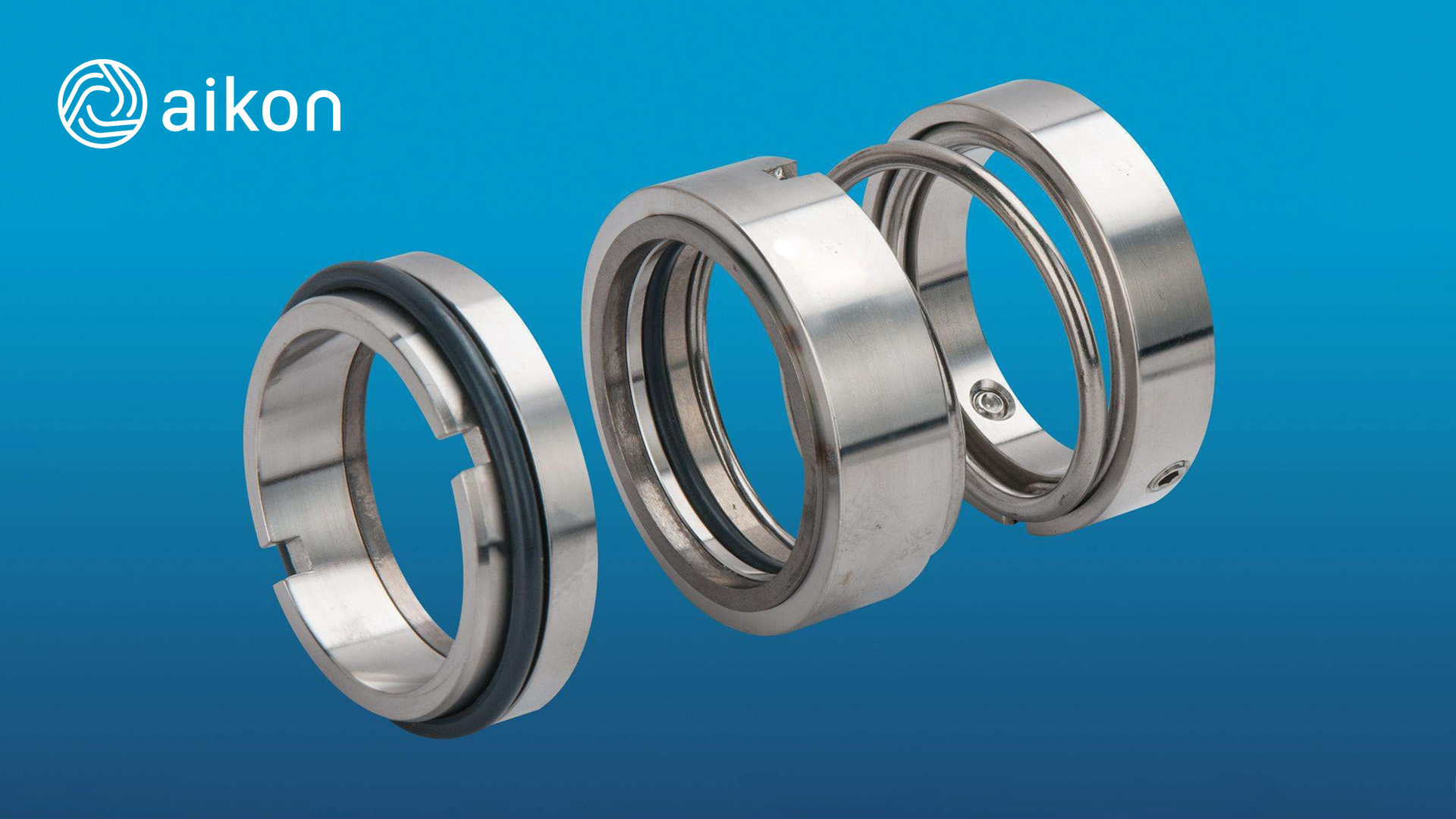
The mechanical seal has a relatively complex structure and mainly consists of a dynamic ring, a static ring, an elastic element (such as a spring), and auxiliary sealing rings (such as O-rings and V-rings). The dynamic ring is closely fitted with the shaft and rotates together. The static ring is fixed on the pump body. The elastic element provides the force to make the dynamic and static rings fit closely, and the auxiliary sealing rings prevent the medium from leaking from the gaps between the dynamic and static rings and the shaft or the pump body.
(II) Packing Seal
The packing seal has a relatively simple structure and mainly consists of packing, a gland, and a stuffing box. The stuffing box is installed on the pump body and is used to hold the packing. The gland is tightened by bolts to apply a compression force to the packing.
III. Performance Characteristics
(I) Sealing Performance
• Mechanical Seal: It has excellent sealing performance with extremely small leakage. Generally, it can achieve almost no leakage. In occasions where strict leakage requirements are imposed, such as in chemical pumps transporting toxic, flammable, and explosive media, the mechanical seal can effectively ensure that the medium will not leak into the environment, avoiding safety accidents.
• Packing Seal: The leakage is relatively large. Especially after long-term operation, the leakage will gradually increase as the packing wears. This is because the packing is gradually compressed and deformed under the compression force, and the sealing performance will decline after a period of use.
(II) Service Life
• Mechanical Seal: Under normal working conditions, the mechanical seal has a long service life, which can reach several years. This benefits from its reasonable structural design and good fit of the sealing surface, reducing wear. However, if the medium contains impurity particles, it may accelerate the wear of the sealing surface and reduce the service life.
• Packing Seal: The service life of the packing seal is relatively short. Generally, the packing needs to be replaced regularly. Usually, it needs to be replaced every few months. This is because there is large friction between the packing and the shaft, which is easy to wear. Moreover, under the long-term influence of medium erosion and temperature changes, the performance of the packing will also decline.
(III) Friction Power Consumption
• Mechanical Seal: The friction power consumption of the mechanical seal is small because a liquid film lubrication is formed between the sealing surfaces, and the friction coefficient between the dynamic and static rings is low. This makes the energy consumption for overcoming the sealing friction force during the pump operation small, improving the overall efficiency of the pump.
• Packing Seal: The friction power consumption of the packing seal is large. Since the packing directly contacts the shaft and a large compression force is required to ensure sealing, the friction force between them is large. This not only increases the energy consumption of the pump but also aggravates the wear of the shaft.
(IV) Adaptability to Working Conditions
• Mechanical Seal: It is suitable for working conditions with high rotation speed, high pressure, high temperature, and for transporting corrosive, toxic, flammable, and explosive media. For example, in high-temperature and high-pressure pumps in the petrochemical industry, the mechanical seal can operate stably and reliably to meet production requirements.
• Packing Seal: It is generally suitable for working conditions with low pressure, low speed, normal temperature, and relatively clean media. For example, some small agricultural irrigation pumps and domestic water pumps can use packing seals economically and practically due to the low requirements of working conditions.
IV. Maintenance Cost
(I) Mechanical Seal
The installation and maintenance requirements of the mechanical seal are relatively high, and professional technicians are required to operate. Once a failure occurs, the repair is difficult, and usually the entire sealing component needs to be replaced, resulting in high costs. Moreover, the price of the mechanical seal is relatively expensive, increasing the initial investment cost of the equipment.
(II) Packing Seal
The installation and maintenance of the packing seal are relatively simple, and ordinary maintenance personnel can perform the operation. When the packing leaks, only the gland bolts need to be tightened appropriately or the packing needs to be replaced. And the price of the packing is relatively cheap, and the replacement cost is low, so the overall maintenance cost is low.
In conclusion, there are significant differences between the mechanical seal and the packing seal of the pump in terms of working principle, structural composition, performance characteristics, and maintenance cost. In practical applications, an appropriate sealing method should be selected comprehensively considering specific working condition requirements, economic costs, and other factors to ensure the efficient and stable operation of the pump.