



AIKON Article Details | AIKON
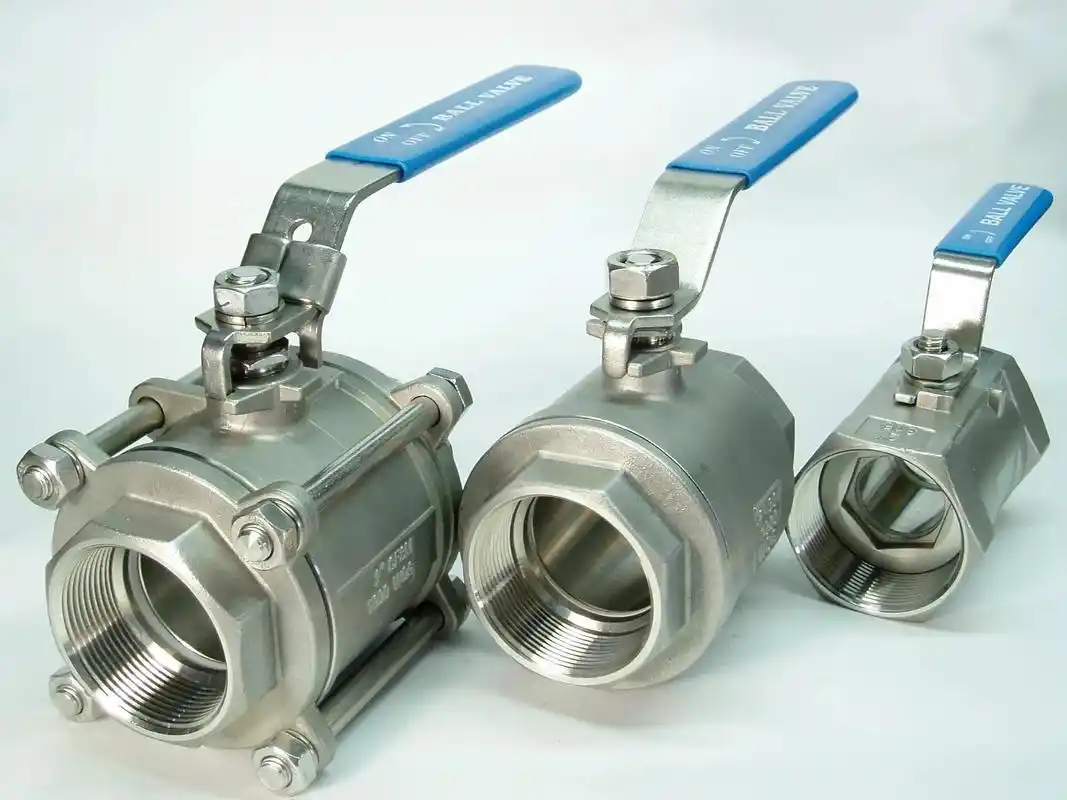
Key considerations for selecting a ball valve
2025-02-21 17:19:16
Ball valves are essential in piping systems for controlling fluid flow. This article explains their structure, applications, and key selection considerations, such as medium type, pressure rating, operation method, and sealing performance. Choosing the right ball valve ensures efficient and safe system operation.
Ball valves are commonly used in piping systems, featuring a spherical disc with a through-hole as their core component. By rotating the ball, the flow of fluid can be controlled or shut off. The simple structure of a ball valve includes a valve body, ball, stem, and sealing elements. Due to their flexible operation and excellent sealing performance, ball valves are widely used in various piping systems, from household water supply to industrial chemical pipelines, playing a crucial role.
Applications of Ball Valves
Ball valves have a wide range of applications. In households, they are commonly used in water supply, heating, and gas systems to control water flow. In industrial settings, ball valves are utilized in oil, chemical, and power industries to handle liquids, gases, and even corrosive media. For example, in chemical pipelines, ball valves can quickly shut off or regulate the flow of corrosive fluids, while in oil pipelines, they can withstand high pressure to ensure safe operation. The material and design of ball valves vary depending on the medium and working conditions.
Key Considerations for Selecting Ball Valves
When selecting a ball valve, the following points should be noted:
Medium Type: Choose the appropriate material based on the properties of the fluid in the pipeline (e.g., water, oil, gas, or corrosive media). For instance, copper or stainless steel ball valves are typically used for household water pipes, while industrial pipelines may require corrosion-resistant alloys.
Pressure Rating: Ensure the ball valve’s pressure capacity meets the requirements of the piping system. High-pressure pipelines require high-strength ball valves, while low-pressure pipelines can opt for more economical products.
Operation Method: Ball valves can be operated manually, electrically, or pneumatically. Household pipelines usually use manual ball valves, while industrial pipelines may require automated electric or pneumatic ball valves.
Sealing Performance: Sealing performance is a critical indicator of ball valves. For high-demand scenarios (e.g., gas pipelines), choose products with excellent sealing performance to avoid leakage risks.
Tips: When selecting a ball valve for a pipeline, pay attention to the product quality. Some ball valves may have a ball bore diameter significantly smaller than their nominal diameter. Avoid such valves to prevent negative impacts on the piping system.
Conclusion
As a simple and practical piping valve, ball valves are widely used in both households and industries. Understanding the basic structure, applications, and selection tips of ball valves can help better meet the needs of piping systems. Whether it’s controlling water supply in daily life or handling complex media in industrial production, choosing the right ball valve can enhance system safety and efficiency. When selecting a ball valve, focusing on medium type, pressure rating, operation method, and sealing performance is key to ensuring the stable operation of the piping system.