



AIKON Article Details | AIKON
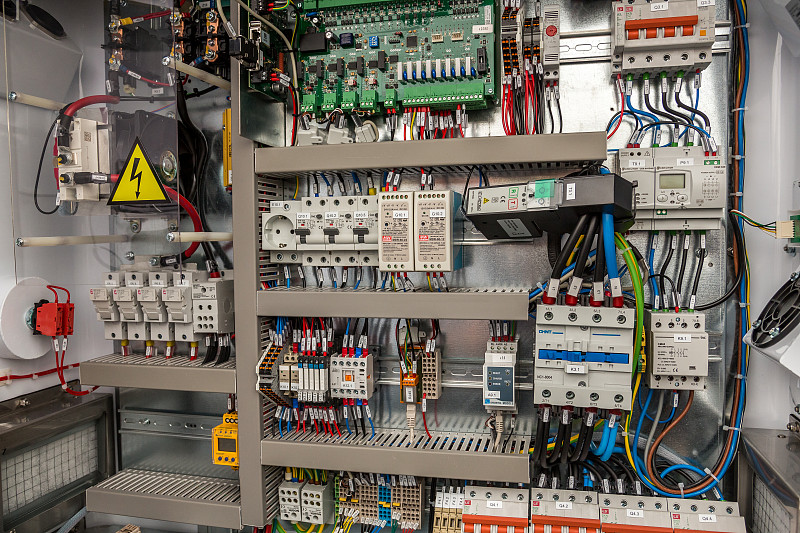
Electrical Control Cabinet Wiring: Key Points and Details
2025-01-23 15:35:14
In the operation of various electrical equipment, the electric control cabinet plays a central and pivotal role. Rational and standardized wiring is a crucial factor in ensuring the normal operation of the electric control cabinet, extending its service life, and guaranteeing the safe and stable operation of the electrical system. Now, let's take a detailed look at the wiring specification requirements for electric control cabinets.
Preparation Before Wiring
Layout Planning
Before wiring, it is necessary to carefully plan the layout based on the quantity, size, and functions of the equipment inside the electric control cabinet. Arrange the main electrical components, such as circuit breakers, contactors, relays, etc., in positions that are easy to operate and maintain. At the same time, consider the separation of circuits with different voltage levels and functions to avoid mutual interference.
Material and Tool Preparation
Ensure that suitable wires and cables are prepared. Select the appropriate wire diameter according to the load current of the circuit to ensure that the wire does not overheat due to overload during long-term operation. At the same time, prepare various wiring tools, such as wire strippers, crimping pliers, screwdrivers, electric drills, etc., and ensure that the tools are in good condition and can be used normally.
Key Specification Points During Wiring
Wire Route
The wires should be laid along the edges of the electric control cabinet or in specially designed wire ducts as much as possible to avoid crossing and tangling. The horizontal and vertical wiring should be kept neat, with straight lines horizontally and vertically. For circuits with different voltage levels and functions, the wires should be laid separately. For example, the wires of power circuits and control circuits should be separated, and the wires of AC circuits and DC circuits should also be separated to prevent signal interference.
Secure Connection
The connection between the wire and the electrical component must be firm and reliable. At the connection point, remove the oxide layer on the wire surface to ensure good electrical contact. Use appropriate terminal blocks or crimping lugs for connection, and tighten them with screws or nuts. For connection points with large currents, additional reinforcement measures should be taken, such as welding or using spring washers, to prevent loosening.
Clear Labeling
For ease of future maintenance and troubleshooting, each wire should be clearly labeled at both ends. The labeling content should include the circuit to which the wire belongs, the starting and ending points, the wire number, etc. The labels can use special nameplates, labels, or number markings on the wire to ensure that the labels are durable, clear, and not easy to fade or wear.
Protection Measures
To prevent the wire from being mechanically damaged, when the wire passes through metal holes or sharp edges, rubber sheaths, nylon retaining rings, etc. should be used for protection. At the same time, for circuits that are susceptible to electromagnetic interference, such as weak-signal circuits, shielded cables should be used, and the shielding layer should be reliably grounded to improve the anti-interference ability.
Inspection and Sorting After Wiring
Visual Inspection
After the wiring is completed, first conduct a visual inspection of the appearance of the electric control cabinet. Check whether the wires are neat and tidy, and whether there are obvious crossing, twisting, or damage. Inspect whether each connection point is firm and whether the labels are clearly visible.
Electrical Performance Testing
Use professional electrical testing tools, such as multimeters and megohmmeters, to test the insulation resistance and conductivity of the circuit. Ensure that the insulation performance of the circuit is good and there are no problems such as short circuits or open circuits. For some important circuits, withstand voltage testing should also be carried out to verify the safety of the circuit.
Sorting and Fixing
Sort and cut the remaining wires during the wiring process to remove the excess parts. Use cable ties or wire clips to fix the wires in the wire ducts or on the brackets to ensure that the wires will not loosen or shift due to vibration during operation.
In short, strictly adhering to the wiring specifications of electric control cabinets is the foundation for ensuring the safe and stable operation of the electrical system. Only by paying attention to every detail can the electric control cabinet exert its best performance and provide strong guarantee for the normal operation of the entire electrical equipment.