



AIKON Article Details | AIKON
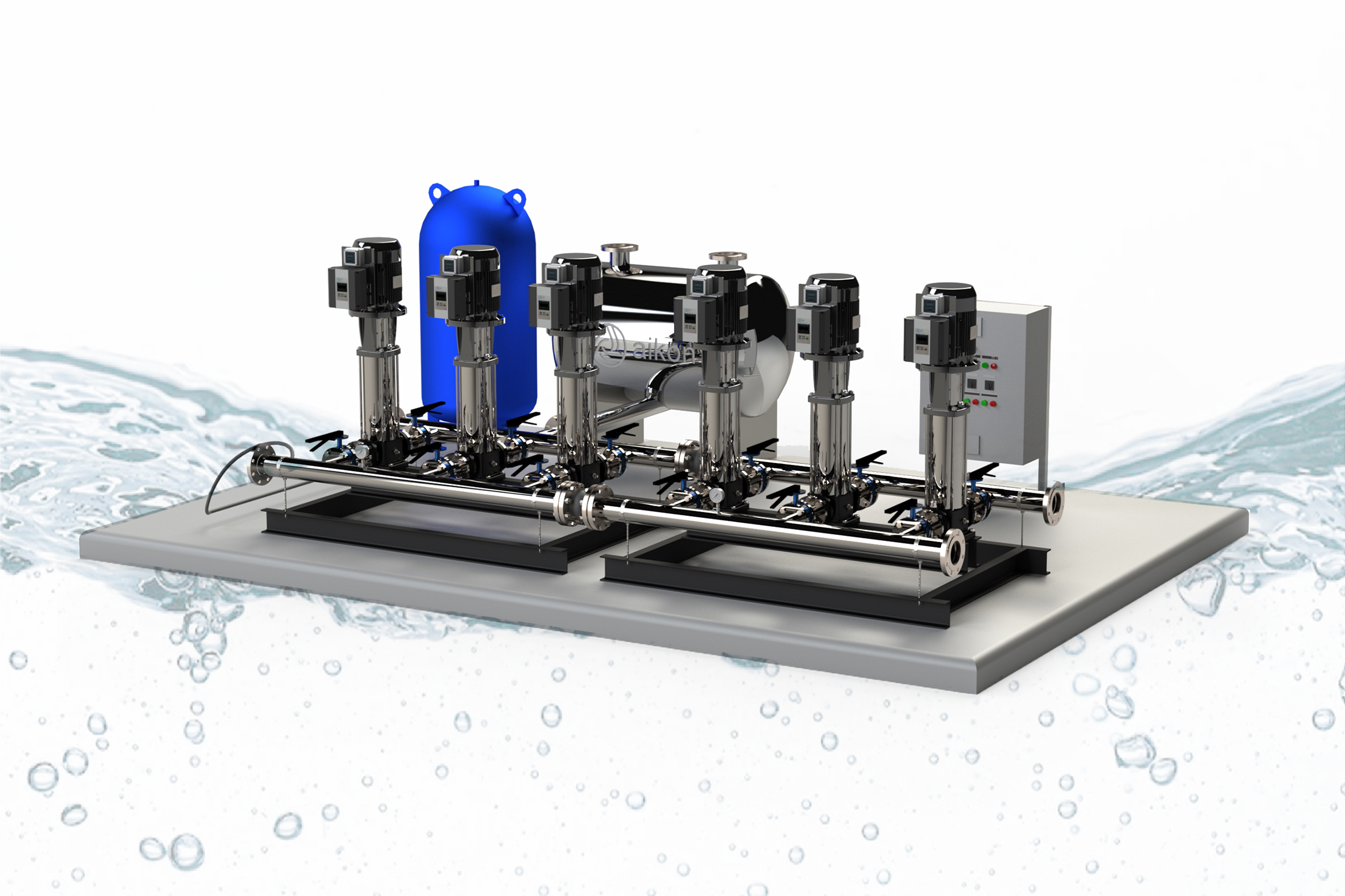
Dynamic Leadership: Flexible Pump Group Management
2025-03-07 15:28:46
Introduction:
In a smart pump group, dynamically adjusting the leadership role is key to ensuring efficient system operation. When the "lead pump" encounters issues, other pumps can quickly take over its role, ensuring system continuity and stability.
Implementation of Dynamic Leadership
Smart pump groups use built-in communication and control systems to monitor each pump's status in real-time. When the "lead pump" fails, the system automatically selects a suitable pump to assume the leadership role.
Practical Applications of Dynamic Leadership
• Automatic Succession: When the "lead pump" fails, the system automatically selects a healthy pump to take over, ensuring continuity.
• Load Redistribution: Once the new "lead pump" is in place, it redistributes the load based on actual needs, ensuring each pump operates optimally.
• Fault Notification: The system promptly notifies users of the "lead pump" failure, facilitating maintenance and repair.
Advantages of Dynamic Leadership
• Increased System Stability: By dynamically adjusting leadership roles, the pump group can continue normal operation even if a single pump fails.
• Enhanced System Flexibility: The pump group can dynamically adjust its operating state to adapt to different working environments.
• Reduced Downtime: The automatic succession mechanism minimizes downtime caused by individual pump failures.
Conclusion:
Dynamic leadership is at the core of smart pump group management. Through flexible response mechanisms, pump groups not only enhance system stability and flexibility but also provide users with more reliable solutions.