



AIKON Article Details | AIKON
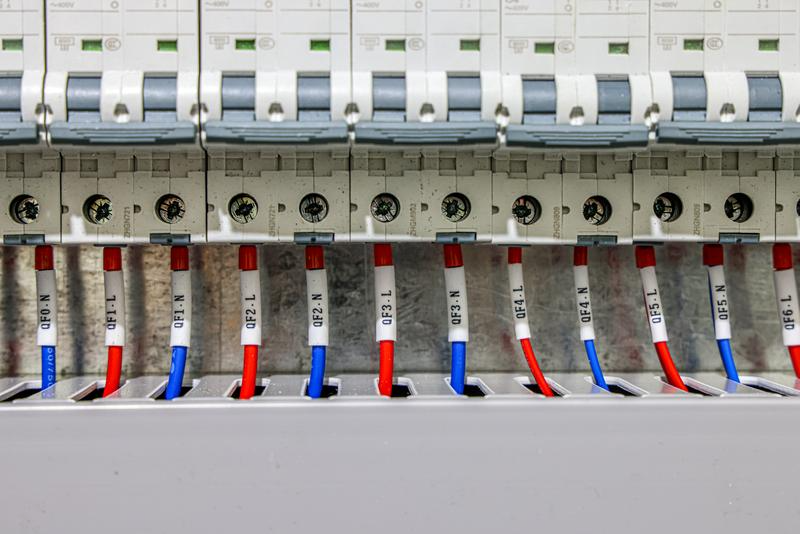
Automatic Air Circuit Breaker Selection Guide
2025-02-21 17:25:01
Abstract
Automatic air circuit breakers (ACBs) are critical protective components in electrical systems, widely used in industrial, commercial, and residential applications. Proper selection effectively ensures circuit safety by preventing overloads, short circuits, and leakage faults. This article introduces the key selection criteria for ACBs, including rated current, breaking capacity, pole configuration, and tripping characteristics, to help users choose the most suitable product.
1. Rated Current
The rated current (In) of an ACB should match the load current. Common specifications include 6A, 10A, 16A, 32A, and 63A. When selecting a breaker, it is essential to consider the maximum operating current of the circuit while leaving an appropriate margin to prevent false tripping or equipment damage.
2. Breaking Capacity
Breaking capacity refers to the circuit breaker's ability to disconnect short-circuit currents. For household applications, the breaking capacity typically ranges from 4.5kA to 10kA, while industrial-grade breakers can reach 15kA or more. The breaking capacity should be higher than the maximum possible short-circuit current in the power grid to ensure safety.
3. Pole Configuration
Single-phase circuits typically use 1P or 1P+N breakers, while three-phase circuits require 3P or 4P breakers. If neutral protection is needed, a breaker with an N pole is recommended.
4. Tripping Characteristics
Tripping characteristics determine the response time of the breaker. B-type breakers are suitable for small-current devices, C-type for general loads, and D-type for high inrush current loads such as motors. The appropriate type should be selected based on the specific application.
Conclusion
Proper selection of an automatic air circuit breaker enhances circuit safety and prevents electrical faults. When purchasing an ACB, users should comprehensively consider rated current, breaking capacity, pole configuration, and tripping characteristics to ensure stable operation of the electrical system.